


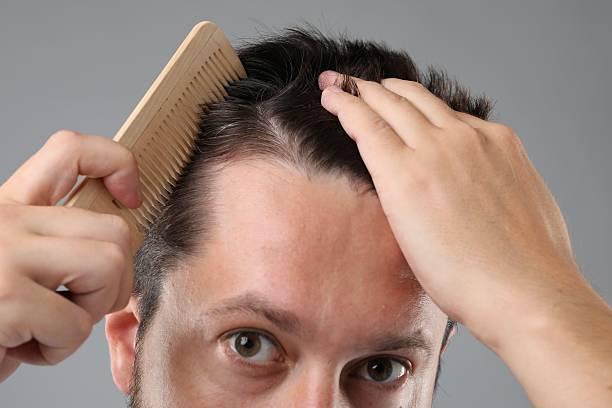
Hair loss can be a frustrating experience that affects confidence and self-image. Fortunately, advancements in hair restoration have made it possible to achieve natural-looking results through modern procedures. One of the most popular options available today is the FUE Hair Transplant, a minimally invasive technique designed to restore hair growth by relocating healthy hair follicles to thinning or bald areas.
People considering hair restoration often want to understand what happens during the procedure and what to expect from start to finish. The FUE Hair Transplant process involves several carefully planned stages that work together to ensure successful and natural-looking outcomes. Knowing these steps can help individuals feel more informed and confident before undergoing treatment.
As demand for effective hair restoration continues to grow, the FUE Hair Transplant has become a preferred choice due to its precision, minimal scarring, and long-lasting results. This step-by-step guide explains the procedure in detail and covers everything from consultation to final results.
Understanding the FUE Hair Transplant Procedure
What Is FUE?
FUE stands for Follicular Unit Extraction. It is a hair transplantation technique in which individual hair follicles are removed from a donor area and implanted into areas experiencing hair loss.
Unlike traditional methods that involve removing a strip of scalp, FUE focuses on extracting follicles one by one, making it a less invasive option with minimal visible scarring.
Why Is FUE Popular?
FUE has gained popularity because it offers:
- Natural-looking results
- Minimal scarring
- Faster recovery
- Greater comfort during healing
- Flexible hair styling options
Step 1: Initial Consultation
Assessing Hair Loss
The journey begins with a detailed consultation. During this stage, specialists evaluate the extent of hair loss and determine whether the patient is a suitable candidate for the procedure.
Several factors are examined, including:
- Hair loss pattern
- Donor hair density
- Scalp health
- Hair texture
- Long-term hair restoration goals
Creating a Personalized Treatment Plan
Based on the assessment, a customized treatment strategy is developed. This plan outlines the number of grafts required and the areas that will be treated.
Proper planning plays a crucial role in achieving balanced and natural-looking results.
Step 2: Preparing for the Procedure
Donor Area Preparation
On the day of the procedure, the donor area is prepared for follicle extraction. The hair in the selected donor region is usually trimmed to allow easier access to individual follicles.
Scalp Cleansing
The scalp is thoroughly cleaned to maintain a hygienic treatment environment and support optimal healing.
Local Anesthesia
Local anesthesia is administered to ensure patient comfort throughout the procedure. This helps minimize discomfort during follicle extraction and implantation.
Step 3: Follicle Extraction
Harvesting Individual Hair Follicles
This stage is one of the most important parts of the procedure. Using specialized instruments, individual follicular units are carefully extracted from the donor area.
Each follicle is removed with precision to preserve its structure and maximize its chances of successful growth after transplantation.
Preserving the Grafts
Once extracted, the follicles are stored in a controlled environment to keep them healthy and viable until implantation.
Proper graft handling is essential for achieving successful outcomes.
Step 4: Designing the Hairline
Creating a Natural Appearance
Before implantation begins, the hairline and treatment area are carefully designed.
The goal is to create a natural appearance that complements the patient's facial features and existing hair pattern.
Strategic Planning
Several factors are considered when designing the hairline:
- Age
- Facial proportions
- Hair density
- Future hair loss patterns
- Desired aesthetic outcome
Step 5: Preparing the Recipient Area
Creating Tiny Incisions
Small openings are made in the areas where the follicles will be implanted. These incisions determine the direction, angle, and density of future hair growth.
Ensuring Natural Growth Patterns
Careful placement is essential because it allows the transplanted hair to blend naturally with surrounding hair.
This step requires both technical skill and artistic precision.
Step 6: Implanting the Hair Follicles
Placing the Grafts
The extracted follicles are carefully inserted into the prepared recipient sites.
Each graft is positioned individually to ensure proper alignment and natural growth.
Building Density
Specialists strategically distribute the follicles throughout the treatment area to create balanced coverage and realistic density.
The placement process can significantly influence the final appearance of the transplant.
Step 7: Immediate Post-Procedure Care
Protecting the Scalp
After implantation is complete, patients receive instructions on how to care for the scalp during the healing phase.
Proper aftercare helps protect the newly transplanted follicles and supports healthy recovery.
Managing the Healing Process
Patients are typically advised to:
- Avoid touching the grafts
- Follow scalp care guidelines
- Protect the treated area
- Attend follow-up appointments
- Follow professional recommendations
Step 8: The Recovery Period
Initial Healing
The scalp begins healing immediately after the procedure. Tiny scabs may form around the transplanted follicles and usually resolve naturally within a short period.
Temporary Shedding
Some transplanted hairs may shed during the first few weeks. This is a normal stage of the hair growth cycle and does not indicate treatment failure.
Gradual Improvement
As the follicles settle into their new location, they begin producing new hair growth over time.
Patience is important because hair restoration results develop gradually.
Step 9: New Hair Growth
Early Growth Stage
New hair growth typically begins several months after the procedure. Initially, the hairs may appear fine before gradually becoming thicker and stronger.
Increasing Density
Hair density continues to improve as more follicles enter the active growth phase.
Long-Term Results
Over time, transplanted follicles continue producing natural hair growth, helping create fuller and more balanced coverage.
Benefits of the FUE Hair Transplant Procedure
Minimally Invasive Technique
FUE does not require large incisions or stitches, making it a less invasive option compared to traditional methods.
Natural-Looking Outcomes
The individual placement of follicles allows for realistic hairlines and natural density patterns.
Minimal Scarring
Tiny extraction points heal well and are often difficult to detect after recovery.
Long-Lasting Results
Transplanted follicles are typically resistant to common hair loss patterns, allowing for durable and lasting improvements.
Tips for Maintaining Results
Follow Professional Guidance
Adhering to aftercare instructions helps support proper healing and graft survival.
Maintain Scalp Health
Keeping the scalp healthy contributes to the long-term success of the procedure.
Protect Existing Hair
Good hair care habits can help preserve both transplanted and natural hair.
Attend Follow-Up Appointments
Regular evaluations allow specialists to monitor progress and provide personalized recommendations.
Conclusion
The FUE hair transplant procedure is a carefully planned process that combines advanced techniques with precise follicle placement to restore natural hair growth. From consultation and extraction to implantation and recovery, each step contributes to achieving successful and long-lasting results. Understanding the procedure can help individuals feel more confident about pursuing hair restoration and making informed decisions about their treatment journey.
Book Your Appointment at Royal Clinic Saudia
If you are considering hair restoration and want expert care from experienced professionals, Royal Clinic Saudia is here to help. Schedule a consultation today to learn more about your options and take the first step toward achieving fuller, healthier, and natural-looking hair.
FAQs:
How long does the FUE hair transplant procedure take?
The duration depends on the number of grafts being transplanted, but most procedures are completed within a single day.
Is the FUE procedure painful?
Local anesthesia is used during the procedure to keep patients comfortable throughout the treatment process.
When will new hair start growing after FUE?
New hair growth typically begins a few months after the procedure and continues to improve over time.
Are the results of FUE permanent?
Transplanted follicles are generally resistant to common forms of hair loss, making the results long-lasting and natural-looking.

 English
 Arabic
 French
 Spanish
 Portuguese
 Deutsch
 Turkish
 Dutch
Dutch
 Italiano
 Russian
 Romaian
 Portuguese (Brazil)