


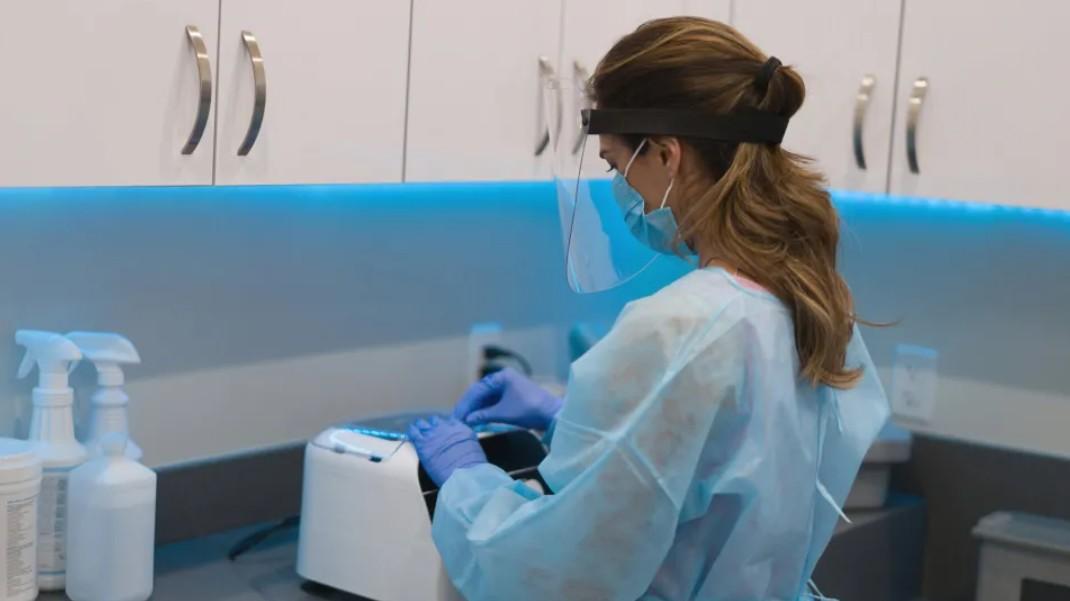
Cannulated instruments, which feature narrow internal lumens or hollow channels, present one of the most significant challenges in modern surgical instrument reprocessing. These specialized tools, including suction tubes, endoscopes, and arthroscopic shavers, frequently accumulate patient bioburden, bone fragments, and organic debris during invasive surgical procedures. Because the interior surfaces of these channels are completely hidden from direct visual inspection, standard manual scrubbing is insufficient to guarantee cleanliness. Consequently, sterile processing departments must rely on pressurized liquid flushing to dislodge and remove microscopic contaminants before subjecting the devices to high-level disinfection or thermal sterilization. Failure to adequately flush these lumens can result in dried organic materials acting as a physical shield, protecting underlying pathogens from sterilizing agents and exposing subsequent patients to severe surgical site infections.
The Critical Role of Fluid Dynamics and PSI in Decontamination
In the decontamination area, the physics of fluid dynamics governs the effectiveness of the flushing process. To successfully dislodge adherent soils, the flushing fluid must generate sufficient wall shear stress without causing physical damage to the delicate internal linings of the instrument. Most regulatory guidelines and mechanical automated flushing devices recommend maintaining a consistent pressure of 15 to 22 pounds per square inch (PSI), which translates to approximately 1 to 1.5 bar. This pressure range creates a turbulent flow within the lumen, which is highly effective at lifting viscous blood and enzymatic residues from the internal walls. Operating below this range fails to generate the necessary kinetic energy, while exceeding this threshold can lead to fluid backflow or cause structural failures in multi-layered cannulated shafts.
Navigating Manufacturer Instructions for Use (IFU) and Guidelines
While general standard operating procedures suggest a baseline pressure, it is critical to recognize that there is no universal, one-size-fits-all pressure metric for reprocessing. The exact minimum pressure levels are fundamentally dictated by each medical device's specific Instructions for Use (IFU), which are legally mandated by regulatory bodies like the FDA. Smaller, more delicate micro-cannulated instruments utilized in ophthalmic or neurological surgeries often require highly controlled, lower-pressure micro-flushing systems to prevent internal rupture. Conversely, heavy-duty orthopedic cannulated drills may demand robust, automated power-flushing systems operating at the upper limits of the validated pressure spectrum. Sterile processing technicians must diligently cross-reference the manufacturer guidelines with their department's automated flushing systems to ensure that pressure thresholds are calibrated to prevent structural degradation.
Educational Frameworks for Modern Decontamination Technology
Synthesizing these highly technical parameters requires a sophisticated understanding of mechanical engineering, microbiology, and strict regulatory standards. Healthcare facilities must ensure that the personnel operating these advanced flushing stations are thoroughly trained to interpret complex equipment readouts and manufacturer documentation. Individuals seeking to master these protocols and establish a rewarding career in healthcare operations often enroll in a comprehensive sterile processing technician course, which provides the foundational knowledge required to manage advanced fluid-delivery systems. This specialized education covers the mechanics of cavitation, ultrasonic irrigation, and the precise flow rate requirements necessary to achieve complete decontamination. By understanding the science behind pressure differentials, certified technicians can confidently prevent reprocessing failures that compromise patient safety.
Risks of Under-Pressurization and Bioburden Retention
When flushing pressures fall below the recommended minimum thresholds, the consequences for patient safety can be catastrophic. Low-pressure streams lack the hydrodynamic force required to overcome the surface tension of coagulated blood and complex proteins adhering to the internal lumen walls. Over time, these residual biological materials dry out and form resilient, multi-layered biofilms that are highly resistant to standard chemical detergents. Once a biofilm is established inside a narrow cannula, subsequent sterilization cycles may fail to penetrate the organic matrix, leaving viable microorganisms trapped underneath. During a subsequent surgical procedure, these pathogens can detach and enter the patient's bloodstream or sterile body cavity, resulting in healthcare-associated infections that are incredibly difficult to treat.
Risks of Over-Pressurization and Instrument Damage
Conversely, exceeding the maximum recommended pressure limits during the flushing phase introduces severe technical and environmental hazards. High-pressure liquid streams can easily rupture internal joints, blow out delicate seals, and permanently deform the structural integrity of expensive flexible and rigid scopes. Furthermore, over-pressurization within an open decontamination sink dramatically increases the risk of aerosolizing highly infectious pathogens. This aerosolization creates a fine mist of contaminated water that can bypass personal protective equipment, placing the processing technician at immediate risk of occupational exposure. To mitigate these dual risks of mechanical destruction and biological exposure, departments must utilize automated, pressure-regulated flushing systems that automatically shut down if resistance inside the lumen spikes.
Best Practices for Implementing Standardized Flushing Protocols
Ultimately, maintaining the precise minimum recommended pressure levels for flushing cannulated instruments is a vital link in the chain of infection prevention. Achieving this balance requires a combination of automated technology, strict adherence to manufacturer instructions, and highly trained reprocessing professionals. By utilizing calibrated, pressure-controlled irrigation systems and verifying flow rates daily, sterile processing departments can ensure that even the most complex internal channels are entirely free of bioburden before sterilization. Standardizing these pressurized flushing protocols protects both valuable hospital assets and, most importantly, the lives of the patients who rely on sterile surgical instrumentation every single day.

 Arabic
 French
 Spanish
 Portuguese
 Deutsch
 Turkish
 Dutch
Dutch
 Italiano
 Russian
 Romaian
 Portuguese (Brazil)
 Tiếng Việt