


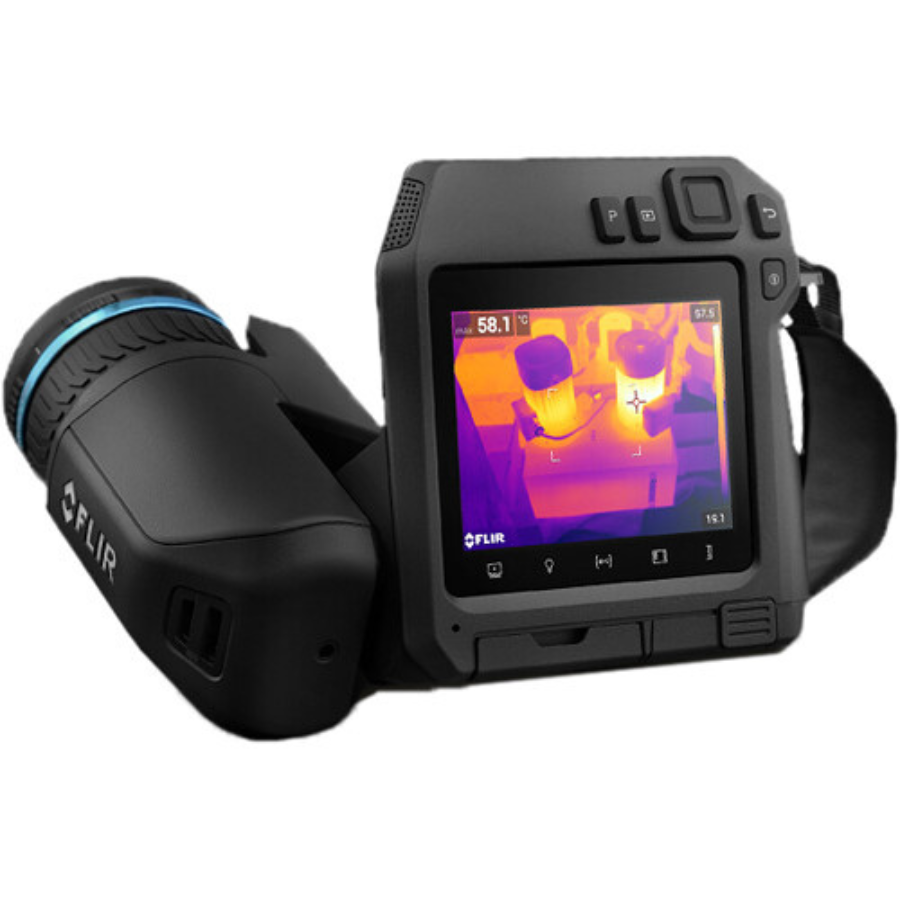
The global landscape for the Thermal Camera Market is undergoing a significant transformation as industries transition from traditional visual monitoring to advanced heat-sensing technologies. Originally developed for military applications, these cameras have found their way into various commercial sectors, providing a non-contact method for measuring temperature and visualizing heat patterns. The ability to detect thermal energy regardless of lighting conditions makes these devices indispensable in modern infrastructure.
Market Overview and Introduction
The thermal imaging industry has evolved from bulky, expensive equipment to streamlined, high-resolution devices. At its core, a thermal camera detects infrared radiation and converts it into a visual image called a thermogram. This technology allows users to "see" heat, making it possible to identify issues that are invisible to the naked eye, such as electrical hotspots or structural moisture. Today, the market is categorized by cooled and uncooled systems, with uncooled sensors seeing the highest adoption due to their lower cost and maintenance requirements.
Key Growth Drivers
Several factors contribute to the rapid expansion of this sector. The most prominent driver is the increasing demand for security and surveillance. Unlike standard cameras, thermal imaging cameras can see through smoke, fog, and total darkness, making them the gold standard for perimeter protection. Additionally, the automotive industry is integrating thermal sensors into Advanced Driver Assistance Systems (ADAS) to improve pedestrian detection at night, further fueling market growth.
Consumer Behavior and E-commerce Influence
The accessibility of thermal technology has changed how consumers and small business owners approach maintenance. E-commerce platforms have made it easier for HVAC technicians, plumbers, and home inspectors to purchase infrared cameras at competitive price points. This "democratization" of technology means that even entry-level professionals can now afford diagnostic tools that were once reserved for large industrial firms. Online reviews and technical forums have also become vital in guiding purchase decisions, shifting the power from traditional distributors to digital marketplaces.
Regional Insights and Preferences
North America currently leads the market, driven by heavy investments in defense and aerospace. However, the Asia-Pacific region is expected to witness the fastest growth rate. Rapid industrialization in China and India, coupled with strict government regulations regarding workplace safety, is pushing factories to adopt thermal monitoring. In Europe, the focus is largely on building efficiency; thermal cameras are used extensively to audit heat loss in residential and commercial buildings to meet carbon reduction targets.
Technological Innovations and Emerging Trends
Miniaturization is the most significant trend in the current market. We are seeing the rise of smartphone-attached thermal modules that offer impressive resolution for a fraction of the cost of standalone units. Furthermore, the integration of Artificial Intelligence (AI) allows these cameras to automatically identify anomalies, such as a bearing that is starting to overheat or a person entering a restricted area, reducing the need for constant human monitoring.
Sustainability and Eco-friendly Practices
Sustainability is becoming a core focus for manufacturers. By using thermal cameras to optimize energy consumption in buildings, companies are significantly reducing their carbon footprints. Furthermore, manufacturers are moving toward using recyclable materials in camera housings and developing sensors that require less power to operate, aligning with global "Green Tech" initiatives.
Challenges, Competition, and Risks
Despite the growth, the market faces challenges related to high initial costs for high-definition cooled cameras. There are also concerns regarding privacy, as thermal imaging can sometimes be perceived as intrusive. Competition is fierce, with numerous players entering the market from the consumer electronics space, which puts pressure on established brands to innovate faster while keeping prices low.
Future Outlook and Investment Opportunities
The future of the industry looks promising as thermal sensors become integrated into the Internet of Things (IoT) ecosystems. Smart cities will likely use thermal data to manage traffic flow and monitor public health. For investors, the most lucrative opportunities lie in the software side of thermography—developing analytics platforms that can interpret thermal data in real-time to provide actionable business intelligence.
Conclusion
The thermal camera sector is no longer a niche market for the military. It has become a vital component of industrial safety, healthcare, and consumer electronics. As technology continues to advance and costs decrease, we can expect thermal sensors to become as common as standard visual cameras in our daily lives, providing a safer and more energy-efficient world.
Explore Country-Level Insights With Region Specific Editions:

 Arabic
 French
 Spanish
 Portuguese
 Deutsch
 Turkish
 Dutch
Dutch
 Italiano
 Russian
 Romaian
 Portuguese (Brazil)
 Tiếng Việt