


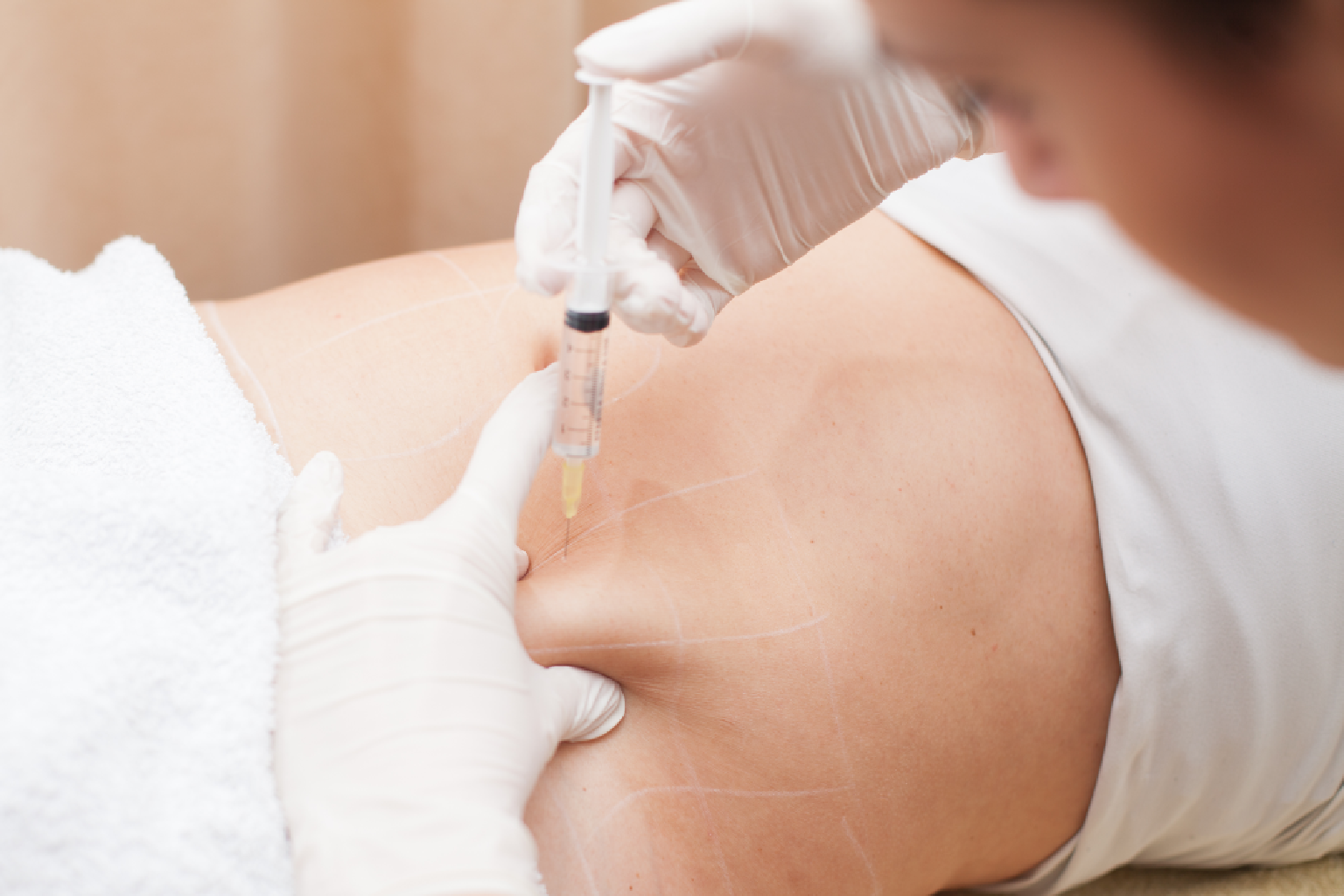
Non-surgical body contouring treatments have gained widespread attention among individuals seeking to reduce localized fat without undergoing invasive surgery. One of the most common concerns people have before starting treatment is the level of discomfort involved. Many patients researching cosmetic procedures come across Fat dissolving injections as an option for targeted fat reduction, but the question of pain tolerance and actual patient experience often plays a major role in decision-making.
Understanding Fat Melting Injections:
Fat melting injections are minimally invasive cosmetic procedures designed to reduce localized fat deposits by breaking down fat cells in specific areas of the body. The injected solution triggers lipolysis, a natural biological process where fat cells are destroyed and gradually eliminated through the lymphatic system. Unlike surgical fat removal, this method does not physically extract fat but allows the body to metabolize fat over time. Because needles are used, some level of discomfort is expected, but it is generally considered tolerable.
What Happens During the Injection Process:
During the procedure, a trained practitioner injects a fat-dissolving solution into targeted areas beneath the skin. The process involves multiple small injections, depending on the size and number of areas being treated. Most patients describe the sensation as a series of quick pricks or stinging sensations. The level of discomfort varies based on individual pain tolerance and treatment area. Key steps include:
- Cleansing and marking the treatment area
- Administering multiple small injections
- Mild pressure or burning sensation during injection
- Short duration per treatment zone
- Immediate post-treatment observation
The process is relatively quick despite multiple injection points.
Pain Level During Fat Melting Injections:
The pain experienced during fat melting injections is generally mild to moderate and varies from person to person. Most patients report that the discomfort is manageable and short-lived. The sensation is often described as a burning, tingling, or stinging feeling at the injection site. Pain levels depend on several factors including area sensitivity and individual threshold. Common patient experiences include:
- Mild burning sensation during injection
- Temporary stinging or pinching feeling
- Pressure under the skin
- Slight discomfort lasting a few minutes
- Increased sensitivity in certain body areas
Overall, the pain is considered tolerable for most individuals.
Factors That Influence Pain Levels:
Several factors can affect how much discomfort a patient feels during the procedure. These include both physical and procedural elements. Understanding these factors helps set realistic expectations before treatment. Key influences include:
- Treatment area sensitivity (e.g., chin vs thighs)
- Individual pain tolerance levels
- Amount of fat being treated
- Needle technique and precision
- Use of numbing agents
Some areas of the body are naturally more sensitive than others.
Most Sensitive Treatment Areas:
Certain parts of the body tend to be more sensitive during fat dissolving injections. These areas contain more nerve endings or thinner skin, which can increase discomfort. Common sensitive areas include:
- Double chin and jawline
- Inner thighs
- Upper arms
- Lower abdomen
- Flank areas (love handles)
Patients often report higher sensitivity in these regions compared to others.
Role of Numbing Agents in Reducing Pain:
To improve patient comfort, many fat dissolving formulations include lidocaine or similar anesthetic agents. These help reduce pain during and after the procedure. In some cases, topical numbing creams may also be applied before treatment. Benefits of numbing agents include:
- Reduced injection discomfort
- Decreased burning sensation
- Improved patient tolerance
- Faster procedure experience
- Lower anxiety during treatment
These agents significantly improve overall comfort levels.
Pain After the Procedure:
While most discomfort occurs during the injection process, some mild soreness may be experienced afterward. This is a normal part of the body’s response as it begins breaking down fat cells. Post-treatment sensations typically include:
- Mild tenderness in treated area
- Swelling or tightness
- Slight warmth or redness
- Temporary firmness under skin
- Sensitivity when touching area
These effects usually resolve within a few days.
How Long Pain Lasts:
The pain associated with fat melting injections is generally short-lived. During the procedure, discomfort lasts only a few seconds per injection. After treatment, mild soreness may last anywhere from 24 hours to a few days depending on the individual. Most patients return to normal activities immediately after the session.
Pain Compared to Other Cosmetic Treatments:
When compared to other aesthetic procedures, fat melting injections are considered moderately comfortable. They are generally less painful than surgical procedures but slightly more noticeable than non-invasive treatments. Comparison overview:
- Less painful than liposuction
- Slightly more discomfort than laser treatments
- Comparable to other injectable procedures
- Shorter discomfort duration than surgery
- No long-term pain involved
This makes them a popular non-surgical option.
Psychological Perception of Pain:
Pain perception is not only physical but also psychological. Anxiety or fear before the procedure can increase perceived discomfort. Patients who are well-informed and relaxed often report lower pain levels. Psychological factors influencing pain include:
- Pre-treatment anxiety
- Fear of needles
- Previous cosmetic experiences
- Expectation management
- Relaxation level during procedure
Mental preparedness plays a significant role.
Techniques to Minimize Pain:
Practitioners use several techniques to reduce discomfort during fat dissolving injections. These methods help improve patient comfort and overall experience. Common techniques include:
- Use of fine needles for injection
- Slow and controlled injection speed
- Application of numbing creams
- Cooling the treatment area
- Distraction techniques during procedure
These strategies make the process more tolerable.
Patient Comfort During Treatment:
Most patients report that the procedure is easier than expected once it begins. The quick nature of injections and short duration of discomfort contribute to overall comfort. Communication with the practitioner also helps reduce anxiety and improve experience.
Pain Differences Between Sessions:
Some patients notice that discomfort decreases in subsequent sessions. This may be due to increased familiarity with the procedure or reduced sensitivity in treated areas. However, pain levels can still vary depending on the area being treated.
Managing Pain After Treatment:
After the procedure, mild discomfort can be managed easily with simple care techniques. Patients are usually advised to:
- Apply cold compresses if needed
- Avoid strenuous exercise for 24–48 hours
- Stay hydrated to support healing
- Avoid touching or massaging treated area
- Wear loose-fitting clothing
These steps help reduce post-treatment sensitivity.
When Pain Should Be Reported:
While mild pain is normal, severe or prolonged discomfort should be reported to a practitioner. Warning signs include:
- Severe swelling or pain
- Persistent redness beyond a few days
- Unusual lumps or hardness
- Signs of infection
- Increasing discomfort over time
Such cases are rare but require medical attention.
Individual Pain Tolerance Variation:
Pain tolerance varies significantly between individuals. Some people experience minimal discomfort, while others may find it more noticeable. Factors influencing tolerance include:
- Age and skin sensitivity
- Previous cosmetic procedures
- Emotional state
- Overall health condition
- Pain perception differences
This explains why experiences differ widely.
Role of Experience in Perceived Pain:
First-time patients often report higher anxiety, which can increase perceived pain. However, once familiar with the process, many individuals find future sessions easier. This is a common pattern in injectable cosmetic treatments.
Comfort Improvements in Modern Treatments:
Modern fat dissolving formulations are designed to be more comfortable than earlier versions. Improvements in ingredients, injection techniques, and numbing agents have significantly reduced discomfort levels over time.
Why Pain Should Not Be a Major Concern:
Although some discomfort is expected, it is generally mild and temporary. The short duration and manageable intensity make it a minor aspect of the overall treatment experience. For most patients, the results outweigh the temporary discomfort associated with Fat dissolving injections.
Importance of Choosing Skilled Practitioners:
A skilled practitioner plays a major role in minimizing pain. Proper technique, accurate injection depth, and experience all contribute to a smoother and more comfortable procedure. Choosing a qualified professional ensures better outcomes and reduced discomfort.
Emotional Benefits After Treatment:
Despite temporary discomfort, many patients report increased confidence and satisfaction after seeing results. The psychological benefit of improved body contour often outweighs the short-term pain experienced during the procedure.
Final Thoughts:
Fat melting injections are generally well tolerated, with most patients experiencing only mild to moderate discomfort during the procedure. Pain levels vary depending on treatment area, individual sensitivity, and technique used, but the sensation is usually short-lived and manageable. With proper preparation, numbing techniques, and skilled administration, Fat dissolving injections offer a comfortable and effective option for non-surgical fat reduction, making the brief discomfort a small trade-off for long-term aesthetic improvement.

 Arabic
 French
 Spanish
 Portuguese
 Deutsch
 Turkish
 Dutch
Dutch
 Italiano
 Russian
 Romaian
 Portuguese (Brazil)
 Tiếng Việt