


Hair loss is often linked to genetics or lifestyle factors, but hormones play one of the most powerful roles in determining hair growth and shedding patterns. Many individuals seeking solutions such as Hair Loss Treatment in Riyadh are surprised to learn that hormonal imbalance is frequently the hidden cause behind persistent thinning. Hormones regulate the hair growth cycle at a cellular level, and even small fluctuations can disrupt follicle activity, leading to noticeable hair fall. Understanding how hormones influence hair health is essential for identifying the root cause of hair loss and choosing the right management strategy for long-term results.
How Hormones Affect the Hair Growth Cycle:
Hair growth follows a structured cycle consisting of growth, transition, and resting phases. Hormones directly influence how long each phase lasts and how efficiently hair follicles function. When hormonal balance is disrupted, the cycle becomes irregular, leading to excessive shedding or slowed regrowth.
Key hormonal effects on hair include:
- Shortening of the growth (anagen) phase
- Premature entry into the shedding (telogen) phase
- Reduced follicle size and hair strand thickness
- Slower regeneration of new hair
- Increased sensitivity of scalp follicles
This disruption can gradually lead to visible thinning if not addressed early.
Androgens and Their Role in Hair Loss:
Androgens, particularly dihydrotestosterone (DHT), are among the most well-known hormones linked to hair loss. While essential for male characteristics, excessive sensitivity to DHT in hair follicles can cause progressive miniaturization, especially in genetically predisposed individuals.
Key effects of androgens include:
- Shrinking of hair follicles over time
- Thinning of hair strands in affected areas
- Receding hairline in men
- Crown thinning and pattern baldness
- Gradual reduction in hair density
This condition, known as androgenetic alopecia, is the most common form of hair loss in both men and women.
Estrogen and Hair Protection in Women:
Estrogen plays a protective role in maintaining hair growth, particularly in women. Higher estrogen levels help extend the growth phase of hair, resulting in thicker and fuller strands. However, when estrogen levels drop, hair shedding can increase significantly.
Important effects of estrogen include:
- Prolonging the hair growth cycle
- Enhancing hair thickness and volume
- Protecting follicles from DHT sensitivity
- Supporting scalp hydration and health
- Reducing overall hair shedding
Hormonal changes during pregnancy, postpartum periods, and menopause often lead to noticeable hair thinning due to estrogen fluctuations.
Thyroid Hormones and Hair Health:
Thyroid hormones regulate metabolism and have a direct impact on hair follicle activity. Both hypothyroidism (low thyroid function) and hyperthyroidism (overactive thyroid) can cause hair loss by disrupting normal follicle function.
Effects of thyroid imbalance include:
- Diffuse thinning across the entire scalp
- Brittle and dry hair texture
- Slow regrowth after shedding
- Increased hair fragility and breakage
- Changes in scalp condition and oil production
Proper diagnosis and treatment of thyroid disorders often lead to significant improvement in hair health.
Cortisol and Stress-Related Hormonal Hair Loss:
Cortisol, known as the stress hormone, can significantly affect hair growth when levels remain elevated for long periods. Chronic stress triggers hormonal imbalance that pushes hair follicles into a resting phase prematurely, resulting in temporary but sometimes severe shedding.
How cortisol impacts hair:
- Disrupts normal hair growth cycles
- Triggers telogen effluvium (stress-induced shedding)
- Reduces nutrient delivery to hair follicles
- Increases scalp inflammation
- Delays regrowth of new hair strands
Managing stress is essential for restoring hormonal balance and preventing ongoing hair loss.
Insulin and Metabolic Hormone Influence:
Insulin and related metabolic hormones also play a role in hair health. Conditions like insulin resistance, often associated with polycystic ovary syndrome (PCOS), can lead to hormonal imbalances that affect hair growth in women.
Key effects of insulin imbalance include:
- Increased androgen production in women
- Thinning of scalp hair
- Excess hair growth in unwanted areas (hirsutism)
- Disrupted follicle function
- Increased inflammation affecting the scalp
Managing blood sugar levels can help improve hormonal balance and reduce hair-related issues.
How to Manage Hormonal Hair Loss:
Managing hormone-related hair loss requires a combination of medical evaluation, lifestyle changes, and targeted treatments. Identifying the root hormonal imbalance is the first step toward effective recovery.
Effective management strategies include:
- Hormonal testing to identify underlying imbalances
- Medications to regulate thyroid or androgen levels
- Stress management techniques like meditation and exercise
- Balanced diet rich in vitamins and minerals
- Adequate sleep to support hormone regulation
In some cases, individuals may require specialized care, and treatments such as Hair Loss Treatment in Riyadh are recommended to address both hormonal and follicular health through advanced medical approaches.
Medical Treatments for Hormonal Hair Loss:
Several medical treatments are available to manage hormone-related hair loss effectively. These treatments aim to regulate hormone levels or block their effects on hair follicles.
Common medical options include:
- DHT blockers such as finasteride
- Topical minoxidil to stimulate follicle growth
- Hormone replacement therapy in specific cases
- Thyroid medications for thyroid-related hair loss
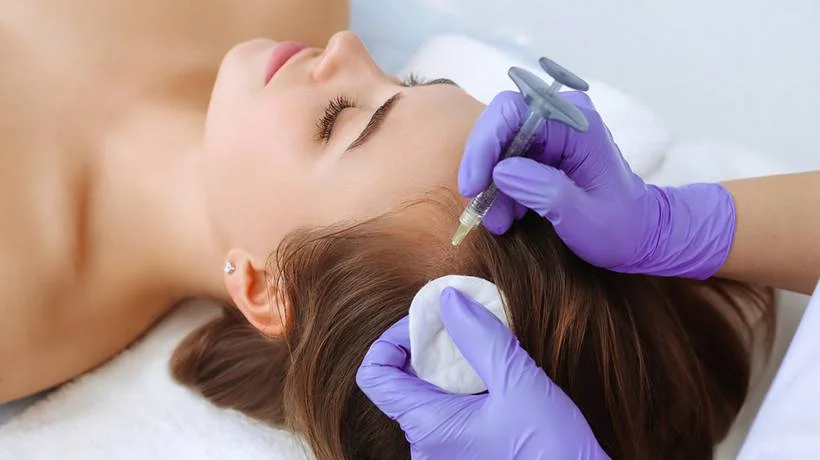
- Platelet-rich plasma (PRP) therapy to support follicle regeneration
These treatments are often most effective when combined with lifestyle improvements and early intervention.
Lifestyle Changes to Support Hormonal Balance:
Lifestyle plays a significant role in maintaining hormonal balance and preventing further hair loss. Simple daily habits can help regulate hormone levels naturally and support hair regrowth.
Helpful lifestyle changes include:
- Maintaining a balanced diet with adequate protein and nutrients
- Regular physical activity to improve hormone regulation
- Stress reduction techniques such as yoga or meditation
- Avoiding excessive sugar and processed foods
- Ensuring consistent and quality sleep
These changes help create a stable internal environment that supports healthy hair growth.
Final Thoughts:
Hormones play a central role in regulating hair growth, and imbalances can lead to significant hair thinning in both men and women. From androgens and estrogen to thyroid hormones and cortisol, each has a direct impact on the hair growth cycle. Understanding these influences is essential for identifying the root cause of hair loss and choosing the right treatment approach. While lifestyle changes and stress management can help restore balance, medical intervention is often necessary for more persistent cases. A comprehensive approach that addresses both hormonal health and follicle function offers the best chance of achieving long-term hair restoration and preventing further hair loss.

 English
 French
 Spanish
 Portuguese
 Deutsch
 Turkish
 Dutch
Dutch
 Italiano
 Russian
 Romaian
 Portuguese (Brazil)
 Tiếng Việt