


stop
Engines are the heart of every vehicle and industrial machine. From passenger cars and heavy trucks to construction equipment and generators, engines convert fuel into mechanical power that drives movement and productivity. However, like any complex mechanical system, engines face wear, performance issues, and efficiency challenges over time. Engine solutions refer to the technologies, maintenance practices, diagnostic methods, and repair strategies used to improve engine performance, extend lifespan, and reduce operational costs.
In today's automotive and industrial world, engine solutions have evolved significantly due to advancements in engineering, electronics, and environmental regulations. This article explores modern engine solutions, common engine problems, diagnostic techniques, preventive maintenance, and future innovations shaping engine performance.
Understanding Engine Systems
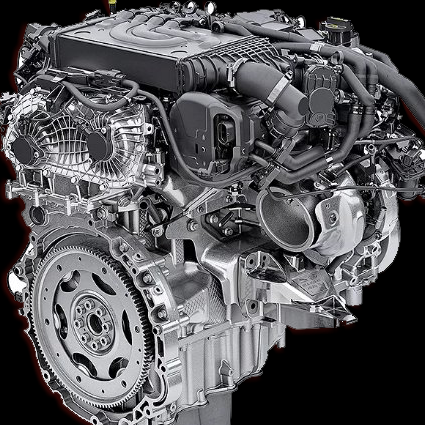
Before discussing solutions, it is important to understand how engines work. Most vehicles use internal combustion engines (ICE), which generate power by burning fuel inside cylinders. Key components include:
-
Engine block and cylinders
-
Pistons and crankshaft
-
Fuel injection system
-
Cooling system
-
Lubrication system
-
Air intake and exhaust system
-
Electronic control unit (ECU)
All these components must operate together efficiently. A failure in one system often affects the entire engine, which is why engine solutions focus on both mechanical and electronic optimization.
Common Engine Problems
Engines experience problems due to usage, poor maintenance, environmental conditions, or manufacturing wear. Some of the most common issues include:
1. Overheating
Overheating occurs when the cooling system fails to regulate engine temperature. Causes may include coolant leaks, radiator blockage, or malfunctioning thermostats. Continuous overheating can severely damage engine components.
2. Poor Fuel EfficiencyEfficiency
Reduced mileage is often caused by clogged fuel injectors, dirty air filters, or incorrect air-fuel mixtures. Modern engine solutions aim to restore efficiency through precise diagnostics.efficiency through precise diagnostics.
3. Engine Misfires
Misfires happen when combustion inside cylinders becomes irregular. Faulty spark plugs, ignition coils, or fuel delivery problems usually cause this issue.
4. Excessive Smoke Emissions
Smoke from the exhaust indicates problems such as oil leakage into combustion chambers, incomplete fuel burning, or injector malfunction.
5. Loss of Power
Engine power loss can result from compression problems, blocked exhaust systems, or electronic sensor failures.
Identifying these problems early is essential for effective engine solutions.
Modern Engine Diagnostic Solutions
Technology has transformed how mechanics and engineers diagnose engine issues. Modern diagnostic solutions include:
Electronic Diagnostics
Vehicles now use onboard diagnostic systems (OBD) that monitor engine performance continuously. Diagnostic scanners read error codes generated by sensors, helping technicians identify faults quickly.
Sensor-Based Monitoring
Engines contain sensors that measure temperature, oxygen levels, airflow, and fuel pressure. Real-time data allows accurate performance adjustments.
Computerized Analysis
Advanced software analyzes engine behavior patterns and predicts potential failures before they occur. Predictive diagnostics reduce repair costs and downtime.
These modern tools have made engine troubleshooting faster and more accurate than traditional manual inspections.
Preventive Maintenance as an Engine Solution
Preventive maintenance is one of the most effective engine solutions because it prevents major failures before they happen.
Regular Oil Changes
Engine oil lubricates moving parts and reduces friction. Old or contaminated oil increases wear and overheating risks. Regular oil replacement ensures smooth engine operation.
Air and Fuel Filter Replacement
Clean filters allow proper airflow and fuel delivery. Dirty filters force engines to work harder, reducing efficiency and increasing fuel consumption.efficiency and increasing fuel consumption.
Cooling System Maintenance
Maintaining coolant levels and inspecting hoses prevents overheating and protects internal components.
Spark Plug Inspection
Worn spark plugs reduce combustion efficiency. Periodic inspection improves performance and fuel economy.efficiency. Periodic inspection improves performance and fuel economy.
Preventive maintenance not only extends engine life but also saves money in long-term repairs.
Performance Optimization Solutions
Many engine solutions focus on improving performance rather than simply fixing problems.
Engine Tuning
Engine tuning adjusts parameters such as fuel injection timing and air intake levels. Proper tuning enhances acceleration, power output, and fuel efficiency.efficiency.
ECU Remapping
Modern engines rely on electronic control units. Software optimization can improve throttle response and engine efficiency without mechanical modifications.efficiency without mechanical modifications.
Improved Lubrication Technology
Advanced synthetic oils reduce friction and protect engines under extreme temperatures, improving durability.
Exhaust System Optimization
Upgraded exhaust systems improve airflow, allowing engines to breathe better and perform more efficiently.
These solutions are commonly used in both everyday vehicles and high-performance applications.
Environmental Engine Solutions
With growing environmental concerns, engine solutions now focus heavily on reducing emissions and fuel consumption.
Fuel Injection Advancements
Modern fuel injection systems deliver precise fuel quantities, ensuring cleaner combustion and lower emissions.
Turbo Boost Technology
Turbochargers increase engine power while maintaining smaller engine sizes, improving fuel economy and reducing environmental impact.
Hybrid Engine Systems
Hybrid technology combines electric motors with combustion engines to reduce fuel usage and emissions.
Emission Control Systems
Catalytic converters and exhaust gas recirculation systems minimize harmful pollutants released into the atmosphere.
These innovations help engines meet global environmental standards while maintaining performance.
Engine Repair and Rebuilding Solutions
When engines experience severe damage, repair or rebuilding becomes necessary.
Engine Overhaul
An overhaul involves disassembling the engine, replacing worn components, and restoring performance close to original factory conditions.
Component Replacement
Key parts such as pistons, bearings, valves, and gaskets may be replaced individually to solve specific issues.
Engine Reconditioning
Reconditioning restores used engines by machining components and tolerance improvements, offering a cost-effective alternative to replacement.
Professional repair solutions ensure reliability and extend engine lifespan significantly.
Role of Skilled Technicians in Engine Solutions
Even with advanced technology, skilled technicians remain essential. Experienced professionals interpret diagnostic data, perform precise repairs, and recommend proper maintenance strategies.
Modern mechanics require knowledge in:
-
Mechanical engineering principles
-
Electronic systems
-
Software diagnostics
-
Environmental compliance standards
Continuous training assurance technicians can handle increasingly complex engine systems.
Future Trends in Engine Solutions
Engine technology continues to evolve rapidly. Future engine solutions are expected to include:
Artificial Intelligence Diagnostics
AI-powered systems will analyze engine performance automatically and suggest maintenance before failures occur.
Smart Connected Engines
Internet-connected engines will send performance data directly to service centers for remote monitoring.
Alternative Fuels
Hydrogen and biofuels are being explored to reduce dependence on traditional fossil fuels.
Electrification Integration
Even combustion engines are becoming partially electrified, improving efficiency and reducing emissions.
These advancements will redefine how engines operate and how maintenance is performed.
Surgery
Engine solutions play a crucial role in ensuring reliability, efficiency, and longevity across automotive and industrial applications. From preventive maintenance and modern diagnostics to performance optimization and environmentally friendly technologies, today's engine solutions combine mechanical expertise with digital innovation.
For more information .

 English
 Arabic
 French
 Spanish
 Portuguese
 Deutsch
 Turkish
 Dutch
Dutch
 Italiano
 Russian
 Portuguese (Brazil)
 Tiếng Việt