


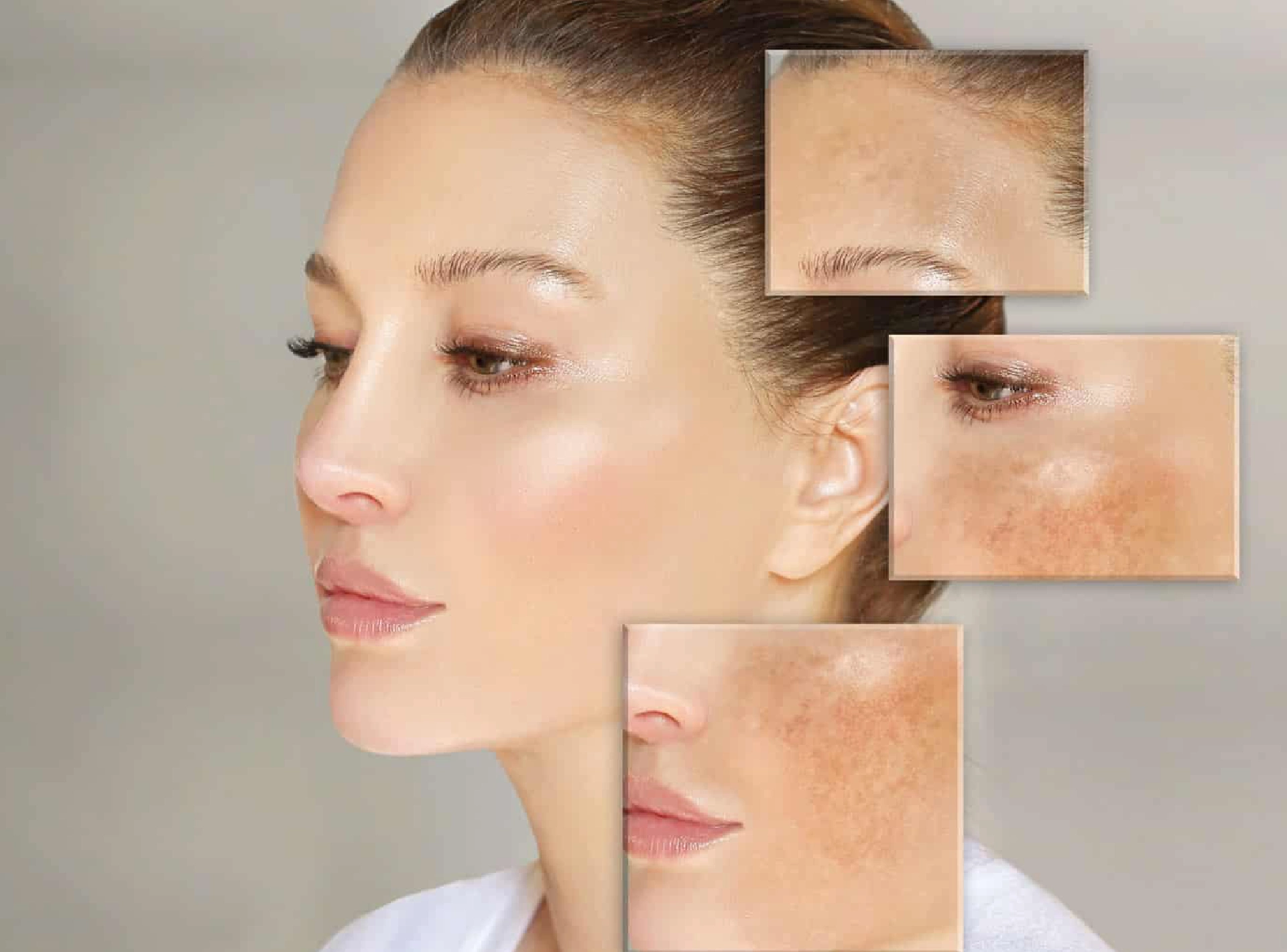
Melasma is a complex and often frustrating pigmentation disorder that presents as brown or gray patches on the face, influenced by hormonal changes, UV exposure, genetics, and inflammation. Despite advancements in dermatology, treating melasma remains challenging due to its chronic and relapsing nature, requiring carefully planned strategies rather than quick fixes. Modern dermatology increasingly integrates advanced techniques such as Laser Melasma Treatment within combination protocols to improve precision while minimizing risks. However, even with modern tools, several clinical challenges persist, and experts must apply tailored solutions to achieve stable long-term results.
Challenge of Accurate Diagnosis and Pigmentation Depth:
One of the biggest challenges in melasma treatment is accurately identifying the depth and type of pigmentation, as this directly affects treatment selection and outcomes. Melasma can be epidermal, dermal, or mixed, and each responds differently to therapy. Misdiagnosis or incomplete assessment can lead to ineffective treatment or worsening pigmentation. Dermatologists use advanced diagnostic tools and clinical evaluation to ensure accuracy. Common diagnostic challenges include:
- Differentiating melasma from other pigmentation disorders
- Identifying mixed-depth pigmentation patterns
- Assessing underlying vascular involvement
- Evaluating hormonal or systemic triggers
- Predicting treatment response variability
Experts address this by using dermoscopy, digital imaging, and detailed patient history analysis before creating a treatment plan.
Treatment Resistance in Chronic Melasma Cases:
Another major challenge is treatment resistance, where melasma fails to respond adequately to standard therapies. This is often seen in long-standing or deeply pigmented cases. Resistance occurs due to persistent melanocyte activation and repeated exposure to triggers. Dermatologists overcome this by escalating therapy and using combination approaches. Key strategies include:
- Introducing multi-modal combination therapy
- Cycling topical medications to prevent adaptation
- Adding procedural treatments for deeper pigment control
- Adjusting treatment intensity over time
- Monitoring skin response closely
Experts often combine topical agents, chemical peels, and procedural options for better outcomes.
Risk of Post-Inflammatory Hyperpigmentation:
Patients with melasma, especially those with medium to darker skin tones, are highly prone to post-inflammatory hyperpigmentation (PIH), which can worsen the condition if treatments are too aggressive. This makes careful selection of procedures essential. Even effective treatments can backfire if inflammation is not controlled. Common risk factors include:
- Excessive chemical peel strength
- Improper laser settings
- Overuse of topical irritants
- Inadequate sun protection
- Sensitive or compromised skin barriers
Experts reduce this risk by using low-intensity protocols and gradual treatment escalation.
Sun Exposure and Environmental Triggers:
Sun exposure remains one of the most significant challenges in melasma management, as UV radiation and visible light can reactivate pigmentation even after successful treatment. Heat and pollution also contribute to flare-ups. Without strict control of these triggers, results are often temporary. Key environmental challenges include:
- UV-induced melanocyte stimulation
- Visible light–triggered pigmentation
- Heat exposure worsening inflammation
- Pollution-related oxidative stress
- Inconsistent sunscreen use
Experts emphasize strict photoprotection, including tinted sunscreens with iron oxides and lifestyle modifications.
Limitations of Single-Modality Treatments:
Relying on a single treatment method is another common challenge, as melasma typically requires multi-layered intervention. No single therapy can address all biological pathways involved in pigmentation. For example, topical treatments alone may not reach deeper dermal pigment, while procedures alone may not prevent recurrence. Experts address this limitation by using:
- Combination topical formulations
- Procedural + medical therapy integration
- Layered treatment protocols
- Rotational therapy schedules
- Personalized treatment planning
This ensures that multiple pigment pathways are targeted simultaneously.
Challenges in Laser-Based Treatments:
Laser therapy is highly effective but also complex, requiring precise calibration to avoid worsening pigmentation. Incorrect settings or overly aggressive protocols can lead to rebound pigmentation, especially in darker skin types. Despite this, laser remains a powerful tool when used correctly. In advanced dermatology, Laser Melasma Treatment is carefully controlled and combined with other therapies for safer outcomes. Key challenges include:
- Risk of thermal damage to melanocytes
- Possibility of pigment rebound
- Need for highly skilled operators
- Variable response across skin types
- Requirement for multiple sessions
Experts mitigate these risks by using low-fluence, staged laser protocols.
Patient Compliance and Long-Term Maintenance:
Melasma is a chronic condition, so long-term compliance is essential for maintaining results. Many patients discontinue treatment once improvement is seen, leading to recurrence. Maintenance requires consistent skincare routines and sun protection. Common compliance challenges include:
- Irregular sunscreen use
- Inconsistent application of topical treatments
- Early discontinuation of therapy
- Lack of follow-up visits
- Poor adherence to lifestyle modifications
Experts address this through patient education, simplified routines, and structured follow-up schedules.
Hormonal Influences and Internal Triggers:
Hormonal fluctuations, particularly involving estrogen and progesterone, can significantly worsen melasma, especially in pregnancy or with oral contraceptive use. These internal triggers make treatment more complicated because external therapies alone may not be sufficient. Key hormonal challenges include:
- Pregnancy-associated pigmentation flare-ups
- Hormonal medication–induced melasma
- Thyroid or endocrine imbalances
- Cyclical recurrence patterns
- Systemic inflammation influence
Experts often integrate oral therapies such as tranexamic acid to regulate internal pathways.
Difficulty in Achieving Permanent Cure:
One of the most realistic challenges in melasma treatment is that there is currently no permanent cure. Even with successful treatment, recurrence is common if triggers are not controlled. This requires a shift in mindset from cure to long-term management. Experts focus on:
- Continuous maintenance therapy
- Preventive skincare routines
- Trigger avoidance strategies
- Periodic booster treatments
- Long-term monitoring of skin condition
This helps maintain results over extended periods.
Final Thoughts:
Melasma treatment presents multiple challenges, ranging from diagnosis difficulties and treatment resistance to environmental triggers and recurrence risk. However, modern dermatology has developed effective strategies to manage these issues through combination therapy, patient education, and advanced technologies. With carefully controlled approaches, including Laser Melasma Treatment, experts can significantly improve pigmentation while minimizing risks. Although melasma remains a chronic condition, structured long-term care and consistent maintenance allow patients to achieve clearer, more even-toned skin and sustain results more effectively over time.

 English
 Arabic
 French
 Spanish
 Portuguese
 Deutsch
 Turkish
 Dutch
Dutch
 Italiano
 Russian
 Romaian
 Portuguese (Brazil)