


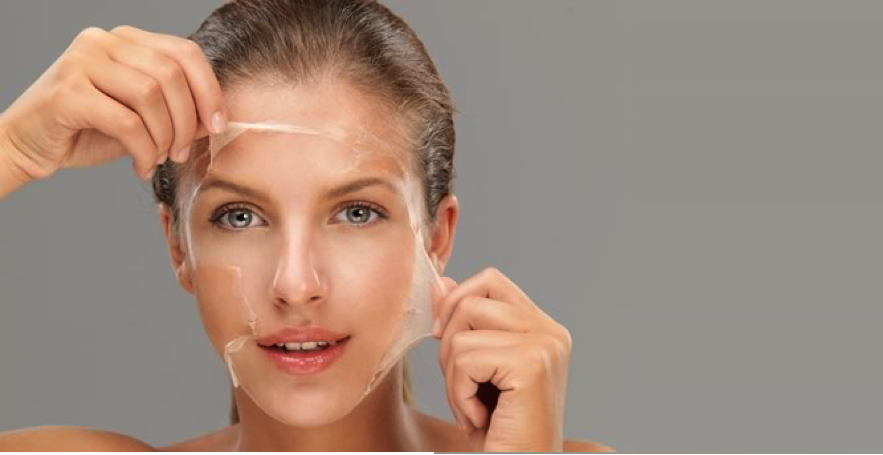
Acne is one of the most common skin concerns worldwide, and many people look for effective solutions beyond topical creams and oral medications. One option that often comes up in dermatology discussions is Chemical Peel Treatment, which is widely used to improve acne-prone skin. While it is not an instant cure, chemical peels can play a significant role in reducing breakouts and improving overall skin clarity when used correctly.
Understanding Acne and Its Causes:
Acne develops when pores become clogged with oil, dead skin cells, and bacteria. Hormonal changes, lifestyle factors, and genetics can all contribute to breakouts, making acne a complex condition to treat.
Main causes include:
- Excess oil (sebum) production
- Clogged pores due to dead skin buildup
- Bacterial growth (Cutibacterium acnes)
- Hormonal fluctuations
- Inflammation within the skin
How Chemical Peels Work on Acne:
Chemical peels help treat acne by removing the outer layer of dead skin cells and unclogging pores. This reduces the environment where acne forms and allows healthier skin to regenerate.
How they help acne:
- Exfoliate dead skin cells from the surface
- Unclog blocked pores
- Reduce oil buildup
- Decrease bacterial activity
- Promote faster skin renewal
Types of Chemical Peels for Acne:
Not all chemical peels are the same, and certain types are specifically designed for acne treatment. The choice depends on skin type, acne severity, and sensitivity.
Common acne-fighting peels include:
- Salicylic acid peels for oily and acne-prone skin
- Glycolic acid peels for surface exfoliation
- Lactic acid peels for gentle acne control
- Mandelic acid peels for sensitive acne-prone skin
- Combination peels for stubborn breakouts
These are often used in Chemical Peel Treatment plans for acne management.
Benefits of Chemical Peels for Acne:
Chemical peels offer multiple benefits beyond just clearing existing pimples. They also help prevent future breakouts and improve overall skin health.
Key benefits include:
- Reduction in active acne breakouts
- Unclogging of pores
- Decreased oil production
- Smoother skin texture
- Fading of acne scars over time
Chemical Peels vs Other Acne Treatments:
Chemical peels are often compared with topical treatments, antibiotics, and other dermatological procedures. Each option works differently, but peels offer a unique exfoliation-based approach.
Comparison points:
- Topicals treat surface inflammation only
- Antibiotics target bacterial infection internally
- Chemical peels address both surface and pore-level issues
- Peels improve skin texture and tone simultaneously
- Combination therapy often gives best results
How Long It Takes to See Results:
Chemical peels do not provide overnight acne clearance. Results depend on the severity of acne and the type of peel used, but improvements are usually gradual.
Typical timeline:
- Initial improvement within 1–2 sessions
- Noticeable reduction in breakouts after 3–4 sessions
- Improved skin texture over several weeks
- Fading of acne marks with consistent treatment
- Long-term results with maintenance sessions
Who Can Benefit Most from Chemical Peels:
Chemical peels are suitable for many individuals with acne, but they are especially effective for certain skin types and conditions.
Ideal candidates include:
- People with mild to moderate acne
- Individuals with oily skin
- Those with clogged pores and blackheads
- Patients with acne-related pigmentation
- People not responding well to topical treatments
Possible Side Effects and Considerations:
While generally safe, chemical peels can cause temporary side effects, especially in acne-prone or sensitive skin. Proper supervision minimizes risks.
Possible side effects include:
- Temporary redness or irritation
- Mild peeling or flaking
- Increased sensitivity to sunlight
- Slight dryness after treatment
- Rare risk of pigmentation changes
Importance of Professional Supervision:
Professional evaluation is crucial for acne treatment using chemical peels. Dermatologists can choose the right peel strength and avoid complications.
Professional role includes:
- Assessing acne severity and skin type
- Selecting appropriate acid type
- Adjusting peel strength safely
- Monitoring skin response
- Designing a treatment plan
This ensures safe and effective Chemical Peel Treatment for acne control.
Aftercare for Acne-Prone Skin:
Proper aftercare is essential to maximize results and prevent irritation after a chemical peel. It also helps maintain clear skin over time.
Aftercare steps include:
- Using gentle, non-comedogenic cleansers
- Applying sunscreen daily
- Avoiding harsh exfoliants
- Keeping skin hydrated
- Not picking at peeling skin
Limitations of Chemical Peels for Acne:
While chemical peels are effective, they are not a standalone cure for severe acne. They work best as part of a broader skincare strategy.
Limitations include:
- Not suitable for severe cystic acne alone
- Requires multiple sessions for best results
- Works better in combination with other treatments
- Results vary depending on skin response
- Maintenance is necessary for long-term control
Final Thoughts:
Chemical peels can be an effective tool in managing acne by unclogging pores, reducing oil buildup, and improving skin texture over time. While they are not a quick fix, they offer meaningful improvements when used consistently and correctly. For individuals considering Chemical Peel Treatment, understanding its role in acne care helps set realistic expectations and supports better long-term skin health and clearer complexion outcomes.

 English
 Arabic
 French
 Spanish
 Portuguese
 Deutsch
 Turkish
 Dutch
Dutch
 Italiano
 Russian
 Romaian
 Portuguese (Brazil)