


stop
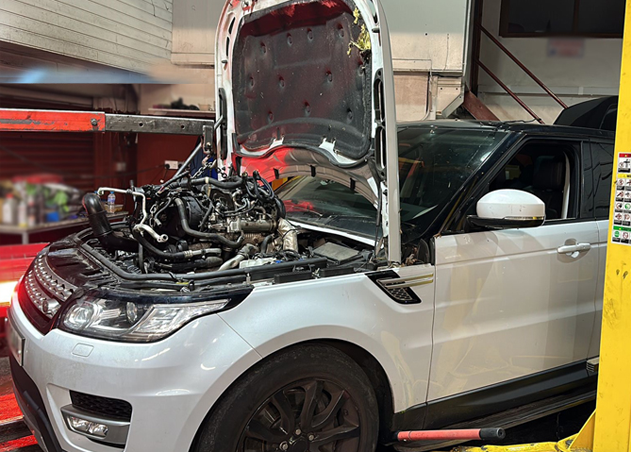
The engine is the heart of every vehicle, and in the case of the Range Rover , it represents a perfect balance between luxury, performance, and off-road capability. Known worldwide for combining premium comfort with rugged strength, Range Rover vehicles rely on advanced engine technology to deliver smooth driving on highways while maintaining exceptional power on challenging terrains.
Over the decades, engine development has played a central role in shaping the reputation of Range Rover models. From early V8 petrol engines to modern hybrid and turbocharged powertrains, innovation has allowed these vehicles to continuously remain competitive in the luxury SUV segment.
Evolution of the Range Rover Engine
When the first Range Rover was introduced in 1970 by Land Rover , the focus was durability and off-road performance rather than luxury refinement. Early models were powered by naturally aspirated V8 engines designed for torque and reliability.
As customer expectations evolved, engines became more refined and efficient. Major advancements occurred after the brand became part of Jaguar Land Rover , which invested heavily in research and development. Modern engines now emphasize fuel efficiency, reduced emissions, and advanced electronic control systems without sacrificing performance.
The evolution can be divided into four main stages:
-
Classic naturally aspirated engines
-
Supercharged performance engines
-
Turbocharged efficiency-focused engines
-
Hybrid and electrified powertrains
Each generation improves power delivery, environmental performance, and driving comfort.
Types of Range Rover Engines
1. Petrol Engines
Petrol engines remain popular among luxury SUV buyers due to their smooth acceleration and refined driving experience. Range Rover petrol engines typical features:
-
Inline-six turbo units
-
V6 and V8 configurations
-
Mild hybrid assistance systems
Modern turbocharged petrol engines produce impressive horsepower while maintaining cleaner operation. Advanced fuel injection systems optimize combustion, improving both performance and efficiency.
High-performance variants often include supercharged V8 engines capable of delivering sports-car-level acceleration despite the vehicle's size.
2. Diesel Engines
Diesel engines have historically been a strong option for Range Rover owners who value torque and long-distance efficiency.
Key features include:
-
Higher torque output for towing
-
Bad fuel economy
-
Strong off-road hat power
Modern diesel engines use common rail injection technology and turbocharging to deliver smoother operation compared to older diesel systems. Noise and vibration have been significantly reduced, making diesel models suitable even for luxury-focused drivers.
3. Hybrid and Plug-In Hybrid Engines
Environmental regulations and rising fuel costs have encouraged the development of hybrid technology. Range Rover hybrid engines combine electric motors with petrol engines to improve efficiency.
Hybrid systems offer:
-
Reduced fuel consumption
-
Lower volumes
-
Silent electric driving at low speeds
-
Instant Snap Response
Plug-in hybrid variants allow drivers to charge the battery externally and drive short distances using only electric power, making them practical for city driving while maintaining long-range capability.
4. Mild Hybrid Technology
Many modern Range Rover engines include mild hybrid systems. These systems do not fully power the vehicle electrically but assist the engine during acceleration and recover energy during braking.
Benefits include:
-
Improved fuel efficiency
-
Smoother start-stop operation
-
Reduced engine load
-
Enhanced acceleration response
This technology helps bridge the gap between traditional engines and fully electric vehicles.
Key Engine Technologies
Turbocharging and Supercharging
Turbochargers use exhaust gases to increase Range Rover engine power without increasing engine size. Superchargers, on the other hand, are mechanically driven to provide instant power delivery.
Range Rover engines use both technologies depending on the model:
-
Turbocharging for efficiency
-
Supercharging for performance-focused variants
These systems allow smaller engines to produce higher output while maintaining fuel economy.
Intelligent Engine Management Systems
Modern Range Rover engines rely heavily on electronic control units (ECUs). These systems monitor multiple parameters such as:
-
Air intake
-
Fuel injection timing
-
Engine temperature
-
Driving conditions
Real-time adjustments ensure optimal performance and efficiency under all driving situations.
Advanced Cooling Systems
Luxury SUVs often operate under demanding conditions, including off-road environments and heavy towing. Advanced cooling systems prevent overheating and maintain engine stability.
Features include:
-
High-capacity radiators
-
Electronic cooling fans
-
Optimized airflow management
These improvements enhance engine lifespan and reliability.
Performance Capabilities
Range Rover engines are designed to deliver balanced performance rather than pure speed alone. Performance characteristics include:
-
Strong low-end torque for off-road driving
-
Smooth highway cruising
-
Rapid acceleration for overtaking
-
Stable performance under heavy loads
Depending on the model, horsepower outputs can range from approximately 300 hp to over 500 hp in high-performance versions.
Acceleration is impressive for a luxury SUV, with some models reaching 0–100 km/h in under five seconds.
Off-Road Engineering Integration
One of the defining features of Range Rover engines is their integration with off-road systems. The engine works together with:
-
Terrain Response systems
-
All-wheel drive technology
-
Adaptive suspension
-
Traction control systems
The engine automatically adjusts power delivery based on terrain conditions such as sand, mud, snow, or rocks. This coordination ensures maximum grip and control even in extreme environments.
Fuel Efficiency and Emission Control
Modern automotive engineering requires engines to meet strict environmental standards. Range Rover engines achieve this through:
-
Start-stop technology
-
Hybrid assistance
-
Lightweight engine materials
-
Advanced exhaust treatment systems
Emission reduction technologies such as catalytic converters and particulate filters help minimize environmental impact while maintaining strong performance.
Reliability and Maintenance
Range Rover engines are built using high-quality materials and precision engineering. However, proper maintenance is essential to ensure long-term reliability.
Recommended maintenance practices include:
-
Regular oil changes
-
Timely filter replacements
-
Cooling system inspections
-
Software updates for engine management systems
Using high-quality fuel and following manufacturer service schedules significantly improves engine lifespan.
Future of Range Rover Engines
The automotive industry is rapidly transitioning toward electrification, and Range Rover is no exception. Future engine development focuses on:
-
Fully electric powertrains
-
Improved battery technology
-
Reduced emissions
-
Sustainable manufacturing processes
Hybrid engines currently serve as a transition phase, combining traditional power with electric innovation. The long-term goal is to maintain Range Rover’s performance and luxury identity while achieving environmental sustainability.
Why Range Rover Engines Stand Out
Several factors make Range Rover engines unique in the luxury SUV market:
-
Combination of luxury refinement and off-road strength
-
Advanced engineering and technology integration
-
Powerful yet efficient performance
-
Continuous innovation across generations
Unlike many luxury vehicles that prioritize only road comfort, Range Rover engines are designed to perform equally well in urban environments and remote landscapes.
Surgery
The Range Rover engine represents decades of engineering progress, blending power, refinement, and technological innovation. From early V8 engines focused on durability to modern hybrid systems designed for efficiency and sustainability, the evolution reflects changing customer needs and global automotive trends.
For more information .

 English
 Arabic
 French
 Portuguese
 Deutsch
 Turkish
 Dutch
Dutch
 Italiano
 Russian
 Romaian
 Portuguese (Brazil)
 Tiếng Việt